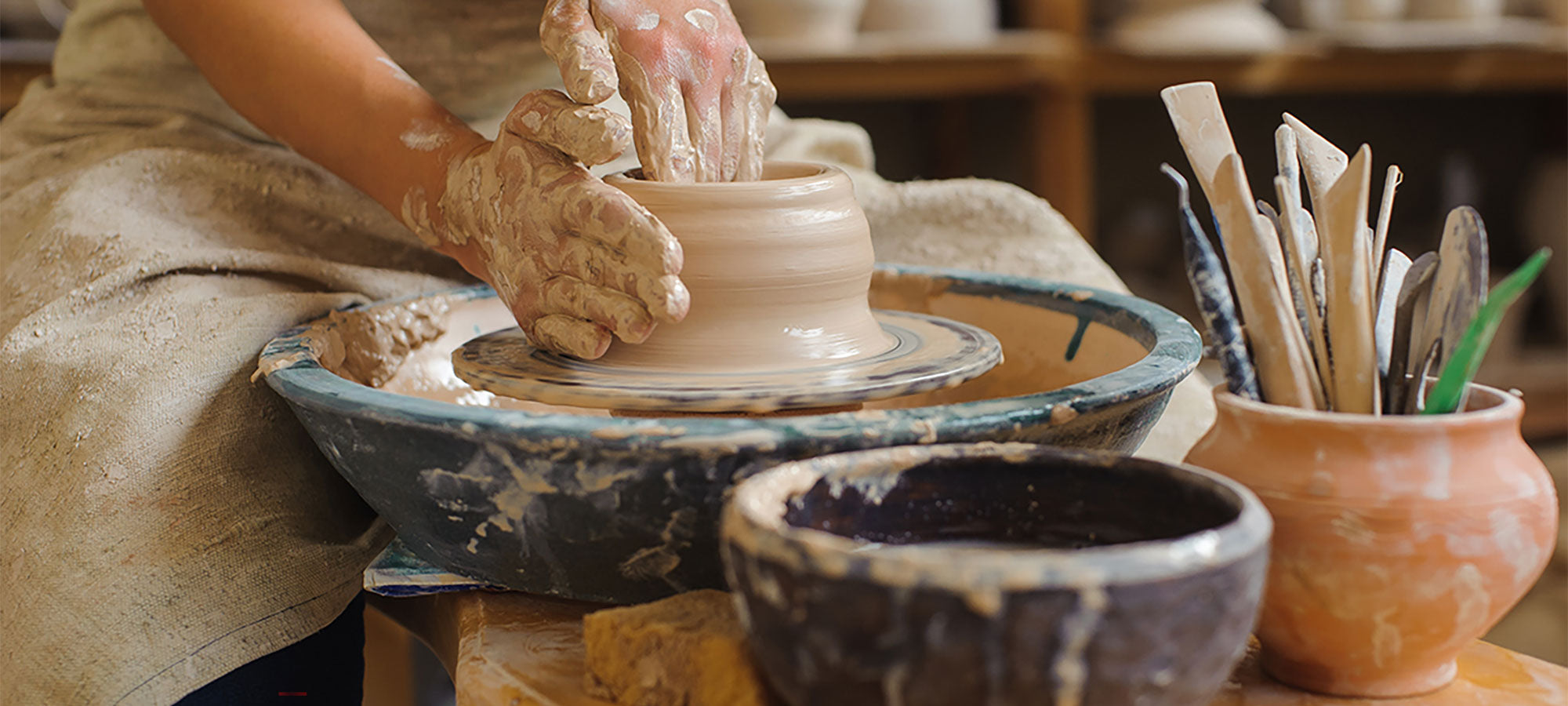
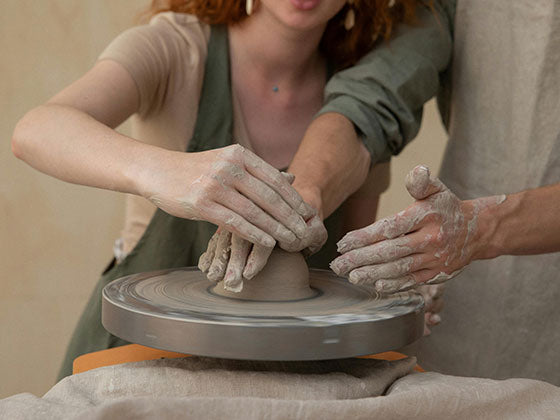





YES! frozen clay is usually still usable and freezing it rarely ruins it. What happens next depends on the type of clay and how it is handled after thawing.
Clay:
Most natural pottery clays are totally fine after freezing. Once thawed, wedge and kneed the clay to even out moisture.
Air-dry clay:
If air-dry clay freezes, it can still be used once it fully thaws. Let it come back to room temperature slowly, then knead it well. If it feels crumbly, adding a few drops of water and kneading can help bring it back to life.
Polymer clay:
Polymer clay is also safe if it freezes. Let it warm up before using it. If it feels stiff,
Best way to defrost your clay.
Defrost slowly, do not use heat to defrost as this could dry the clay out,
Leave it in its packaging and move somewhere the ambient temperature is warm but not hot.
Next you will need to wedge the clay this will even out the moisture in the clay.
You may find that the clay has cracked where the water in it has frozen in it and expanded, but this can be resolved by wedging.
Frozen greenware will also need to be reclaimed.
Frozen Glazes and what to do!
Brush on Glazes:
If your studios got a little cold and you pot of glaze has frozen.
Allow the glaze time to defrost, it is just the water that had frozen within the pot. You may find that the ice melts the water content of the glaze may settle on the top, you may be able to stir it back in, However decanting the contents into a mixing bowl maybe easier, You may also want to pass it through a sieve to make sure there are no hard lumps. Make sure to test on a piece of bisk that it still brushes out nicely.
Dipping and Pouring Glazes:
Due to the water content in these your raw materials are more likely to settle at the bottom of your container.
Once the Ice has defrosted you will need to give the glaze a good mix. It wis also a good idea to re-sieve the glaze before use and always test on a piece of biscuit ware.
Also think about keeping your Kiln Happy!
If your studio is cold your kiln will be as well, check to make sure your kiln is not too cold. Check your manuals to see if there are any temperature requirements for your kiln.
Firing your kiln when the ambient temperature is in single figures or below freezing may cause complications such as condensation.
Also consider that it may take your kiln longer to heat up.
Nabertherm Recommend the following ‘Ambient conditions for electrical equipment should be within a temperature range of +5 °C to +40 °C.